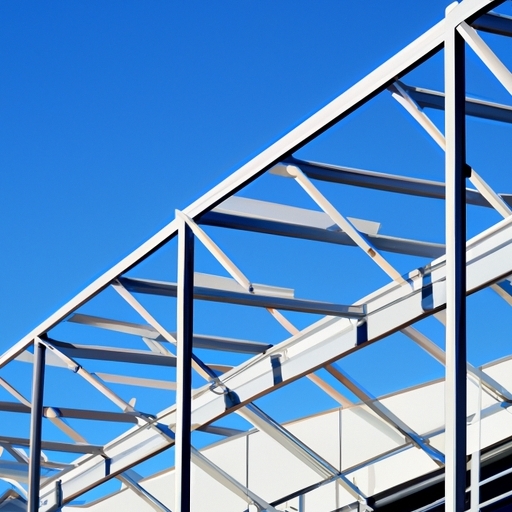
The Manufacturing Refine and Unique Features of Cold-Formed Steel
Cold-formed steel (CFS) is a genuinely resourceful structure product that is changing the building and construction industry with its phenomenal toughness, adaptability, and sustainability. What is the Innovative Building Product Revolutionizing Construction? Discover the Stamina and Versatility of Cold-Formed Steel! . The production procedure and one-of-a-kind residential properties of cold-formed steel make it an ideal selection for a selection of building and construction applications, from residential framing to business frameworks.
The manufacturing procedure of cold-formed steel begins with the rolling of steel sheets at area temperature, which is significantly lower than the temperature levels made use of in typical hot rolling. This is where the term cold-formed originates from. Unlike hot-rolled steel, which is created at heats, cold-forming maintains the architectural honesty and toughness of the steel. The sheets are travelled through a collection of passes away that considerably form them into the preferred accounts, such as C-sections, Z-sections, or custom kinds. This process improves the steel's return stamina with a phenomenon referred to as stress hardening, where the metal's grain framework is straightened to boost its load-bearing capacity.
One of the most exceptional buildings of cold-formed steel is its high strength-to-weight ratio. CFS is lightweight, yet it possesses a remarkable tensile toughness, making it an economical alternative for contractors who require a resilient material that can endure heavy lots and anxieties. The precision of the cold-forming process likewise causes items with limited tolerances and constant high quality, ensuring that each steel item fits perfectly right into the general structure, minimizing the demand for on-site adjustments and speeding up the building procedure.
Additionally, CFS displays impressive dimensional stability, suggesting that it does not warp, spin, or shrink gradually, which can be a problem with various other building materials like timber. This security ensures that frameworks made from cold-formed steel continue to be sturdy and maintain their honesty over the long term, also under variable ecological problems.
In regards to flexibility, cold-formed steel can be quickly modified and joined with various other materials, permitting designers and designers to explore ingenious style ideas that would certainly be challenging or impossible to achieve with even more standard products. CFS can be reduced, drilled, and assembled on-site using straightforward devices, and it can be incorporated with various other building components like concrete, glass, or wood to create hybrid structures that utilize the advantages of numerous materials.
In addition, cold-formed steel is an environmentally friendly option. Steel is just one of one of the most recycled products on the planet, and utilizing recycled steel for brand-new construction lowers the ecological influence associated with mining and processing basic materials. The recyclability of CFS makes sure that also after a building's life is over, the product can
Contrasting Cold-Formed Steel to Traditional Structure Materials
Cold-formed steel (CFS) has become a game-changer in the construction industry, reinventing the way buildings are created and put up. This cutting-edge material is improving the landscape of construction due to its strength, flexibility, and efficiency contrasted to traditional building products such as timber, hot-rolled steel, and concrete.
Among the most considerable benefits of cold-formed steel is its remarkable strength-to-weight ratio. Unlike hot-rolled steel, which is developed at high temperatures, CFS is formed at space temperature, which keeps the steel's fundamental structural honesty. This process results in a lighter product that can stand up to high loads, making it an excellent selection for multi-story structures where decreasing dead tons is a priority.
In terms of flexibility, CFS is unrivaled. It can be rolled, punched, and reduced right into a range of sizes and shapes, permitting very personalized styles. This versatility makes it possible for engineers and engineers to push the borders of creativity and capability, crafting frameworks that are not only aesthetically enticing but likewise very reliable in regards to area usage.
Sustainability is another location where CFS beams. It is 100% recyclable, and because it is lighter than standard materials, it decreases the carbon impact connected with transportation. Furthermore, CFS frameworks can be put together with accuracy, minimizing waste during building and construction.
When it comes to speed of building, cold-formed steel is a clear victor. Pre-fabricated panels and elements can be made off-site and swiftly set up on-site, slashing building times and labor costs. This additionally results in much safer construction sites with less mess and fewer on-site dangers.
Comparing cold-formed steel to wood, one discovers that CFS is impervious to much of the concerns that pester timber, such as termites, dampness damage, and bending. Fire resistance is an additional critical area where cold-formed steel exceeds timber, supplying greater safety and security and potentially lower insurance expenses.
Against concrete, cold-formed steel uses a lighter option that can lower the requirement for heavy foundations and can be adapted more readily to seismic design requirements. While concrete is praised for its compressive stamina, CFS masters tensile stamina, making it an ideal choice for locations that experience high winds or earthquakes.
Finally, the ingenious use cold-formed steel is revolutionizing construction by supplying a product that is solid, flexible, and sustainable while giving efficiencies in price and building time. As the sector continues to develop, the fostering of CFS highlights a commitment to advancement and a change in the direction of
Ecological Benefits and Sustainability of Making Use Of Cold-Formed Steel
In the pursuit for even more sustainable and effective construction techniques, a transformation is silently taking shape through the use of cold-formed steel (CFS). This cutting-edge structure material is not just modifying the skyline with its strength and convenience however additionally uses a wide variety of ecological advantages, making it a foundation of sustainable construction techniques.
Cold-formed steel is produced by rolling or pressing steel into semi-finished or completed products at area temperature. This process calls for less power contrasted to hot-rolled steel, resulting in a lower carbon impact. In addition, CFS is usually made from recycled product and is totally recyclable at the end of its life, guaranteeing that it contributes to a circular economic situation.
Sustainability is at the heart of CFS, with its lightweight nature substantially lowering transport prices and connected discharges. Its lightweight likewise indicates much less lots on foundations, leading to lowered use concrete, a product with a high carbon impact. Moreover, CFS frameworks can be developed for disassembly, advertising reuse and versatility in the ever-changing metropolitan landscape.
CFS additionally contributes to energy performance in buildings. It can be precision-engineered to develop limited fits and much better insulation envelopes, substantially reducing home heating and cooling needs. The material's integral longevity implies that it does not warp, rot, or mold, guaranteeing a longer lifetime with less maintenance and fewer resources used over time.
The toughness of cold-formed steel remains in its versatility and adaptability. It can be molded right into different sizes and shapes, permitting imaginative building designs that can reply to diverse ecological problems. This adaptability not only cultivates advancement in layout but likewise makes sure that structures can be enhanced for environmental efficiency.
Finally, cold-formed steel is not simply an additional product; it is a change in the construction industry. With its combination of strength, flexibility, and environmental sustainability, CFS is paving the way for a future where structures are not only visually pleasing and functional yet also kinder to our world. As we march towards a much more sustainable future, the duty of ingenious materials like cold-formed steel ends up being ever more critical in the worldwide story of environmental stewardship and liable construction.
The Flexibility of Cold-Formed Steel in Numerous Construction Applications
Cold-formed steel, a wonder of modern engineering, is swiftly changing the landscape of building and construction with its remarkable stamina and unusual versatility. This inventive material is not your average steel; it has actually been diligently created to supply a myriad of advantages that are reinventing the building market.
What sets cold-formed steel apart is its special manufacturing procedure. Unlike standard hot-rolled steel, which is formed at high temperatures, cold-formed steel is generated at or near space temperature level. This method results in a lightweight yet robust material that flaunts a high strength-to-weight ratio, making it an excellent option for a variety of building and construction applications.
One of one of the most compelling attributes of cold-formed steel is its versatility. From household buildings to commercial structures, and from framing systems to intricate architectural features, cold-formed steel supplies solutions that are both functional and aesthetically pleasing. Its malleability permits it to be developed right into different shapes and sizes, accommodating the bespoke demands of engineers and designers that look for both functionality and creative thinking.
The building market is regularly on the lookout for products that can improve effectiveness and reduce costs, and cold-formed steel responses that call. Its light-weight nature translates to lower transport expenses and much easier handling on-site, resulting in much faster building times. This is a game-changer for projects on a limited schedule or those intending to lessen labor costs.
Sustainability is another cornerstone of the allure of cold-formed steel. As a recyclable product, it contributes to a greener building procedure by minimizing waste and promoting using recycled web content. This aligns completely with the growing need for eco liable building practices.
Moreover, cold-formed steel master durability. It is non-combustible, resistant to bending, diminishing, and parasites, making certain durability and reducing upkeep prices over the lifespan of a building. Its durability likewise makes it a suitable option for locations prone to seismic task or rough weather conditions, supplying added security and assurance for residents.
Cold-formed steel's compatibility with other materials is yet another aspect of its versatility. It can be quickly integrated with concrete, glass, and timber, providing limitless opportunities for innovative crossbreed building and construction methods. This compatibility not only increases layout alternatives yet likewise enhances the architectural integrity of structures.
When faced with developing building codes and the continuous promote higher efficiency criteria, cold-formed steel stands out as a forward-thinking remedy. It fulfills and often exceeds industry needs, giving a durable structure that supports energy-efficient designs and advanced insulation techniques.
To conclude, cold-formed steel is not just a 22
Cold-Formed Steel in Modern Design and Layout Versatility
Cold-Formed Steel (CFS) is an amazing structure material that has been quietly revolutionizing the building market. As modern architecture pushes the boundaries of design, CFS has actually emerged as a versatile and strong product that supplies designers and builders unmatched adaptability.
What sets cold-formed steel apart is its method of production. Unlike hot-rolled steel, which is created at high temperatures, CFS is manufactured at space temperature, by running thin sheets of steel via a series of rollers. This process not only enables a high degree of precision but additionally improves the steel's strength through work-hardening.
The applications of CFS in modern design are substantial and differed. Among the most considerable advantages of cold-formed steel is its versatility. It can be cut, curved, and constructed right into a variety of sizes and shapes, which opens up a globe of style possibilities. This makes it an optimal option for architects that are looking to create cutting-edge and intricate structures.
In addition, CFS is light-weight compared to conventional building products like concrete and hot-rolled steel. This implies it can decrease the lots on structures, enabling more innovative and enthusiastic designs, specifically in areas with difficult soil problems. Additionally, the lighter weight of CFS makes it much easier and more affordable to transport and deal with on the building and construction website.
Sustainability is an additional key advantage of cold-formed steel. It is among the most recycled products in the world, and its manufacturing process is normally more energy-efficient than that of conventional materials. Structures constructed with CFS can additionally be dismantled and the materials recycled, better contributing to the round economic climate.
The strength-to-weight proportion of cold-formed steel is a game-changer for earthquake-prone areas. CFS has the resilience to withstand seismic pressures, making it an outstanding option for safety-conscious construction. This strength also extends to resistance against fire, parasites, and rot, making sure that structures not only last much longer but likewise need much less upkeep in time.
The speed of building and construction is yet one more location where CFS beams. Parts can be built off-site and swiftly put together on-site, drastically minimizing building and construction time. This prefabrication process additionally permits greater quality control, as components are produced in a regulated manufacturing facility environment.
Cold-formed steel's contributions to modern style and design flexibility are undeniable. As we continue to look for ingenious options to the facility needs of contemporary building and construction, CFS attracts attention as a product that is not just fulfilling these obstacles yet likewise pressing the market in the direction of a much more effective, lasting, and
Economic Advantages and Cost-Effectiveness of Cold-Formed Steel Building And Construction
In the ever-evolving landscape of building, the sector constantly seeks products that offer superior efficiency, flexibility, and cost-effectiveness. One such material that has emerged as a game-changer is cold-formed steel (CFS). This inventive building material is transforming the building and construction field with its myriad of financial advantages and unrivaled flexibility.
Cold-formed steel refers to architectural items that have actually been shaped at area temperature level, leading to a product that is lightweight yet incredibly strong. The procedure of cold-forming permits the steel to be built right into numerous shapes and sizes, enabling designers and engineers to press the borders of design while maintaining structural honesty.
Among the most considerable economic advantages of CFS is its lightweight nature. This minimizes the problem on structure needs and, as a result, can cause substantial cost savings in both materials and labor. Additionally, the ease of taking care of and transporting light-weight CFS elements converts to reduce delivery costs and a reduced carbon impact.
From a cost-effectiveness point ofview, CFS offers several advantages. The precision of cold-forming cause a high degree of harmony and uniformity, lessening waste throughout manufacturing. Furthermore, the predictability of steel prices adds to much more exact budgeting and monetary planning for building and construction jobs. The installment of CFS is additionally much faster and much less labor-intensive contrasted to conventional structure materials like timber or concrete. The capability to uprear parts off-site under controlled problems further accelerates building and construction timelines and reduces on-site labor prices.
Cold-formed steel's sturdiness is an additional aspect that contributes to its cost-effectiveness. It is non-combustible, which can decrease insurance premiums, and it is impervious to pests such as termites. The product's resistance to bending, shrinking, and deteriorating gets rid of the demand for costly long-lasting upkeep and substitute that is usually associated with other building and construction products.
Additionally, CFS is highly adaptable and can be easily modified or extended, which is advantageous for future restorations or developments. This versatility makes certain that buildings can adapt to changing needs without considerable overhauls, hence shielding the first investment and extending the life expectancy of the structure.
CFS building is not just financially advantageous however also lines up with sustainable building techniques. Steel is just one of the most recycled materials on earth, which indicates that CFS parts can be repurposed at the end of their life process, reducing waste and advertising a round economy.
Finally, the introduction of cold-formed steel in the construction sector represents a significant advance in building technology. Its stamina, convenience,
Future Trends and Innovations in Cold-Formed Steel Building Solutions
In the ever-evolving landscape of building, a quiet change is unfolding, one that assures to redefine the means we develop constructing frameworks. This change is led by a material that incorporates toughness, versatility, and technology-- cold-formed steel (CFS). As we look to the future, the patterns and innovations in CFS building remedies are establishing the stage for a new period in building and construction, characterized by performance, durability, and versatility.
Cold-formed steel has come a long way from its early applications. It is no longer just a product for mounting or indoor non-load-bearing walls. Today, it stands at the leading edge of modern-day building and construction innovation, offering a myriad of benefits that cater to the needs of modern building style. Its high strength-to-weight ratio indicates that frameworks can be lighter without endangering on stability, enabling architects and designers to push the limits of design.
Among one of the most exciting fads in the use of CFS is its integration with modular and premade building and construction methods. As the market leans in the direction of sustainable and time-saving procedures, CFS fits perfectly into the image. Upraised CFS panels and modules can be manufactured off-site to specific requirements, decreasing waste and on-site construction time significantly. This not just causes much faster forecast completion yet also makes certain a high degree of quality assurance that might not be as quickly possible with traditional building approaches.
Technology in CFS additionally reaches its capability to operate in consistency with other structure products. Crossbreed systems that combine CFS with concrete, timber, and even more recent products such as carbon fiber, are creating structures that are extra resilient and energy-efficient. The harmony of these products with CFS permits thermal efficiency, bring about structures that are not simply solid, however likewise lasting and economical to keep.
Furthermore, the electronic revolution has brought about innovative layout and evaluation tools that are changing the method CFS structures are imagined. Software Application for Structure Info Modeling (BIM) and Finite Element Evaluation (FEA) are enabling more accurate and complex designs to be prepared and carried out with CFS. These devices help with the optimization of product usage and architectural performance, allowing for higher building liberty and innovation.
Security is an additional location where CFS radiates, with fundamental residential or commercial properties that make it a wise choice for earthquake-prone and high-wind areas. Its ductility and durability suggest that CFS frameworks can soak up and dissipate power from all-natural calamities more effectively than many typical building materials, thereby protecting both the structure and its passengers.
As the industry continues to grapple